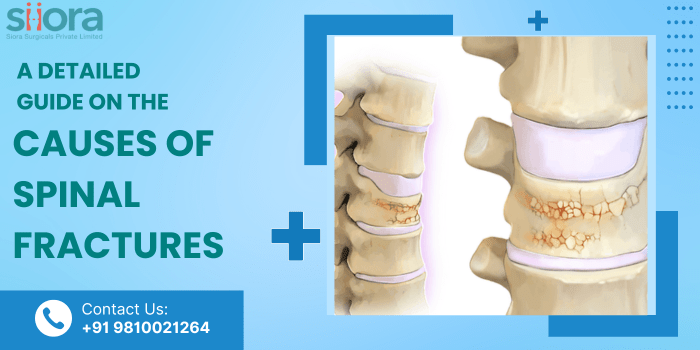
The human spine is a marvel of engineering, providing support, stability, and flexibility to our bodies. Unfortunately, it is also susceptible to various injuries, one of the most severe being spinal fractures. They require spinal orthopaedic implants for the treatment. These fractures can lead to debilitating consequences, affecting a person’s mobility, independence, and overall quality of life. Understanding the causes of spinal fractures is crucial to prevent these incidents and improve patient outcomes. This blog will explore some of the primary reasons behind these debilitating injuries.
What Could Cause Spinal Fractures?
Traumatic Injuries
One of the leading causes of spinal fractures is traumatic accidents. Motor vehicle accidents, falls from heights, sports injuries, and other high-impact incidents can exert tremendous force on the spine, causing vertebral fractures. When an external force exceeds the spine’s ability to withstand it, the bones may break, leading to varying degrees of fracture severity. The location and extent of the fracture determine the severity of spinal cord damage and neurological impairment.
Osteoporosis
Osteoporosis, a condition characterized by reduced bone density and quality, is another significant cause of spinal fractures, especially in older adults. With age, bones become weaker and more susceptible to fractures, and the vertebrae are no exception. A minor fall or even a sudden movement can result in vertebral compression fractures. Women, particularly postmenopausal women, are at a higher risk of developing osteoporosis, making them more prone to spinal fractures.
Tumors and Cancer
Spinal fractures can also result from tumors or cancerous growths in or around the spine. These growths can weaken the vertebral bones, making them vulnerable to fractures. Metastatic cancer, which is cancer that has spread from other parts of the body to the spine, is a common culprit behind these fractures. The tumors can infiltrate and damage the bone structure, leading to instability and an increased risk of fractures.
Spinal Infections
Infections in the spine, such as osteomyelitis and discitis, can contribute to spinal fractures. These infections may cause damage to the vertebrae, making them more susceptible to breaking under normal stress. Moreover, the inflammatory response associated with infections can further weaken the bone structure, increasing the risk of fracture.
Degenerative Disc Disease
Degenerative disc disease is a chronic condition characterized by the deterioration of intervertebral discs, which act as cushions between the vertebrae. As the discs lose their ability to provide proper support and shock absorption, the vertebral bones may experience increased stress during everyday movements. Over time, this can lead to fractures, particularly in the lumbar (lower back) region, where most of the spine’s flexibility is concentrated.
Congenital Abnormalities
In some cases, spinal fractures can be attributed to congenital abnormalities of the spine. Conditions like congenital scoliosis or kyphosis, which involve abnormal curvature of the spine from birth, can result in increased pressure on certain vertebral segments. This pressure can lead to fractures, especially in the regions with the most pronounced deformities.To explore the latest trends in the healthcare industry and meet industry professionals from across the globe, register for Medexpo Kenya 2024.
 Site Title